
Share this product
L-Lysine Sulfate
- Origin
- China
- CAS Number
- 60343-69-3
- HS Code
- 29224100
Basic Info
- Physical State
- Solid
- Appearance / Color
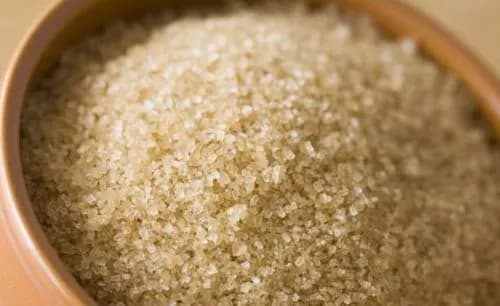
- Tan/light brown granular powder
- Odor
- Characteristic
- Moisture Content (%)
- <1%
- pH
- 6.0-8.0 (5% solution)
- Synonyms & Trade Names
- L-Lysine sulphate; Lysine sulfate 70%
- Total Plate Count (TPC)
- <50,000 CFU/g
- Yeast & Mould
- <500 CFU/g
- E. Coli
- Negative/25g
- Coliform Bacteria
- <100 CFU/g
- Salmonella
- Negative/25g
- Shelf Life
- 24 months
- Packaging Size
- 25 kg
- Packaging Type
- PP woven bag
- Storage Conditions
- Cool, dry place
- Halal Certification
- Available
- Kosher Certification
- Available
- ISO / HACCP
- Yes
- Food Grade / Regulatory Status
- Feed grade
- Crude Protein (%, min)
- ~58%
- Total Volatile Basic Nitrogen (TVN/TVBN, mg/100g)
- Not applicable
- Bulk Density
- ~0.65 g/cm³
- Lysine Content (%, min)
- 54.6% min
- Active Ingredient Assay (%)
- 70% min L-Lysine
- Antioxidant Treatment
- None or as specified
- Species of Origin Declaration
- N/A (fermentation)
- EU Feed Additive Authorization No.
- E642
- Aflatoxin B1
- Not applicable
- Heavy Metals — Feed (As, Pb, Hg, Cd)
- Compliant
- Dioxins & PCBs (pg WHO-TEQ/g fat)
- Not applicable
Categories
Technical Document
Brief Overview
Out of the 20 L-amino acids, ecumenically found in most living organisms, L-lysine an essential amino acid for human and animal nutrition out of the 9 amino acids. L-lysine is useful as medicament, chemical agent, food material (food industry) and feed additive (animal food). Demand for l-lysine has been steadily increasing in recent years. Lysine sulphate, the sulphate salt of lysine along with fermentation by-products, is 51% L-lysine (as free L-lysine). It does not only contain lysine but also by-products, such as essential amino acid and carbohydrate. Lysine Sulphate can be used instead of traditional L-lysine HCL as a livestock feed additive
Manufacturing Process
The fermentation medium can be inoculated into the fermentation vessel by using standard microbiological practices which are known to those with ordinary skills in microbiology. The fermentation vessel should be equipped with a stirrer, a ventilation system, and a temperature control device to maintain the fermentation at about 30oC. and preferably at 32oC. The fermentation is carried out until the L-Lysine base concentration is about 92 g/l (grams per liter) and the total dry solids is about 218 g/l. Aseptic techniques should be observed throughout the fermentation process to avoid a contamination of the fermentation broth with non-L-Lysine producing organisms.


