
Share this product
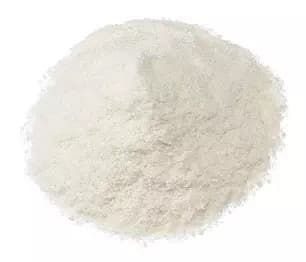
DL-Methionine (99% Powder)
- Origin
- China
- CAS Number
- 59-51-8
- HS Code
- 2930
Basic Info
- Physical State
- Solid
- Appearance / Color
- White crystalline powder or granules
- Odor
- Slight characteristic
- Taste
- Slightly sweet
- Moisture Content (%)
- <0.5%
- pH
- 5.0-7.0 (10% solution)
- Synonyms & Trade Names
- DL-Methionine; Methionine; 2-amino-4-(methylthio)butanoic acid
- Total Plate Count (TPC)
- <50,000 CFU/g
- Yeast & Mould
- <500 CFU/g
- E. Coli
- Negative/25g
- Coliform Bacteria
- <100 CFU/g
- Salmonella
- Negative/25g
- Shelf Life
- 24 months
- Packaging Size
- 25 kg
- Packaging Type
- PP woven bag
- Storage Conditions
- Cool, dry place
- Halal Certification
- Available
- Kosher Certification
- Available
- ISO / HACCP
- Yes
- Food Grade / Regulatory Status
- Feed grade
- Crude Protein (%, min)
- ~58%
- Total Volatile Basic Nitrogen (TVN/TVBN, mg/100g)
- Not applicable
- Bulk Density
- ~0.60 g/cm³
- Active Ingredient Assay (%)
- 99% min (powder); 88% min (liquid)
- Antioxidant Treatment
- None
- Species of Origin Declaration
- N/A (synthetic)
- EU Feed Additive Authorization No.
- E922
- Aflatoxin B1
- Not applicable
- Heavy Metals — Feed (As, Pb, Hg, Cd)
- Compliant
- Dioxins & PCBs (pg WHO-TEQ/g fat)
- Not applicable
Categories
Technical Document
Brief Overview
Methionine, an amino acid rich in sulfur, plays a crucial role in maintaining the health and productivity of poultry. Its significance spans across various bodily functions. Through the generation of methyl groups, methionine oversees a range of metabolic processes. Moreover, it's indispensable for fostering cell growth and advancing development.
Manufacturing Process
The methionine production process involves several stages:
Firstly, it begins by converting raw materials, capable of methionine production, such as 2-amino-4-methylthiobutyronitrile or 2-amino-4-methylthiobutanamide, via hydrolysis in an aqueous ammonia solution. This conversion is facilitated by a biocatalyst, resulting in an ammonia solution containing methionine.
The subsequent step involves separating the biocatalyst from the methionine-containing ammonia solution obtained in the initial phase.
Finally, the third step revolves around distilling the ammonia from the product obtained in the second step to isolate and segregate methionine crystals.


